
Sustainable Outdoor Building Materials: A Beginner’s Guide to Choosing Well
Choosing a sustainable material for a deck, fence, path or patio is not as simple as picking the most natural-looking option. A timber board can come from a poorly managed source; a recycled composite can last a long time but be difficult to reuse at the end of its life; and a nearby stone may avoid long-distance shipping while still requiring substantial quarrying.
For a beginner, the useful question is not “Which material is green?” It is: Which material does this job well, comes from a responsible source, and is likely to stay in service with little waste?
Start with the whole life of the material
Environmental impact begins before installation and continues after a project is taken apart. Consider extraction or harvest, manufacturing, transport, installation, maintenance, replacement, and disposal. That is the basic life-cycle view used in building-product assessment: a low-impact material at the factory gate may need frequent replacement, while a durable product may take more resources to make but stay useful much longer.
The U.S. Green Building Council’s life-cycle impact guidance also highlights a commonly missed option: retaining or reusing what is already there. If an existing patio can be repaired, or usable pavers can be lifted and relaid, avoiding new production may be a better first move than buying a new product with a sustainability label.
Think about the project’s weak point. Will it sit in wet soil, bake in full sun, or see heavy foot traffic? The best material is the one that can cope with that exposure without premature replacement.
Four material families, and what to check
Wood: renewable, if the source and details are right
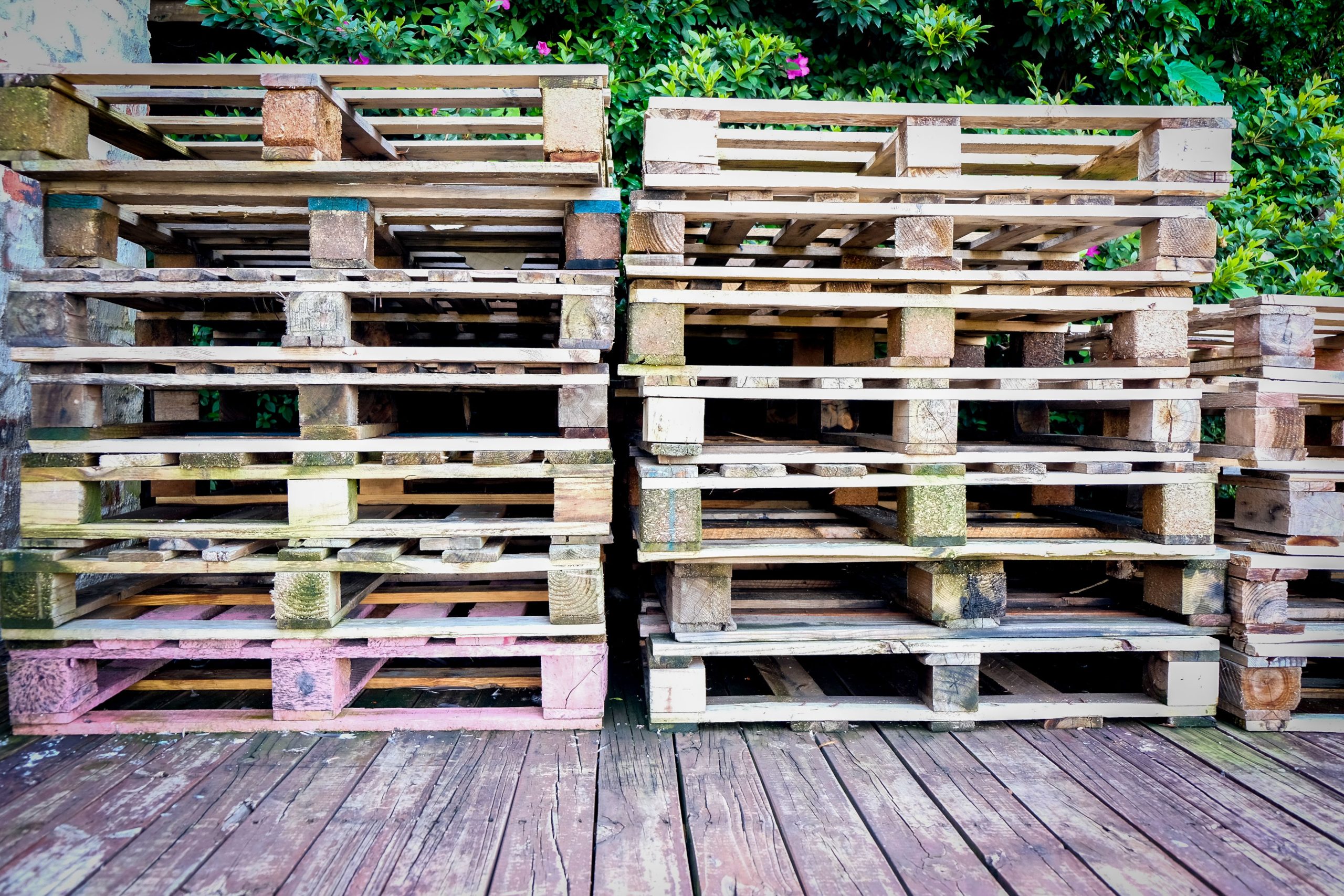
Wood is renewable, but that alone does not tell you how responsibly it was harvested or how long it will last outdoors. Ask for credible sourcing information, such as forest certification, and choose a species or treatment suited to the actual exposure. A board meant for above-ground use is not automatically appropriate for soil contact.
Moisture management is as important as the label. The USDA Forest Products Laboratory explains that decay risk rises when wood stays wet, and advises selecting preservative-treated wood for applications where it cannot be kept dry. Its guide to pressure-treated wood covers use categories and environmental considerations. Good drainage, air gaps, and correctly specified fasteners help protect the investment; follow product directions and local building requirements.
Bamboo: fast-growing does not mean maintenance-free
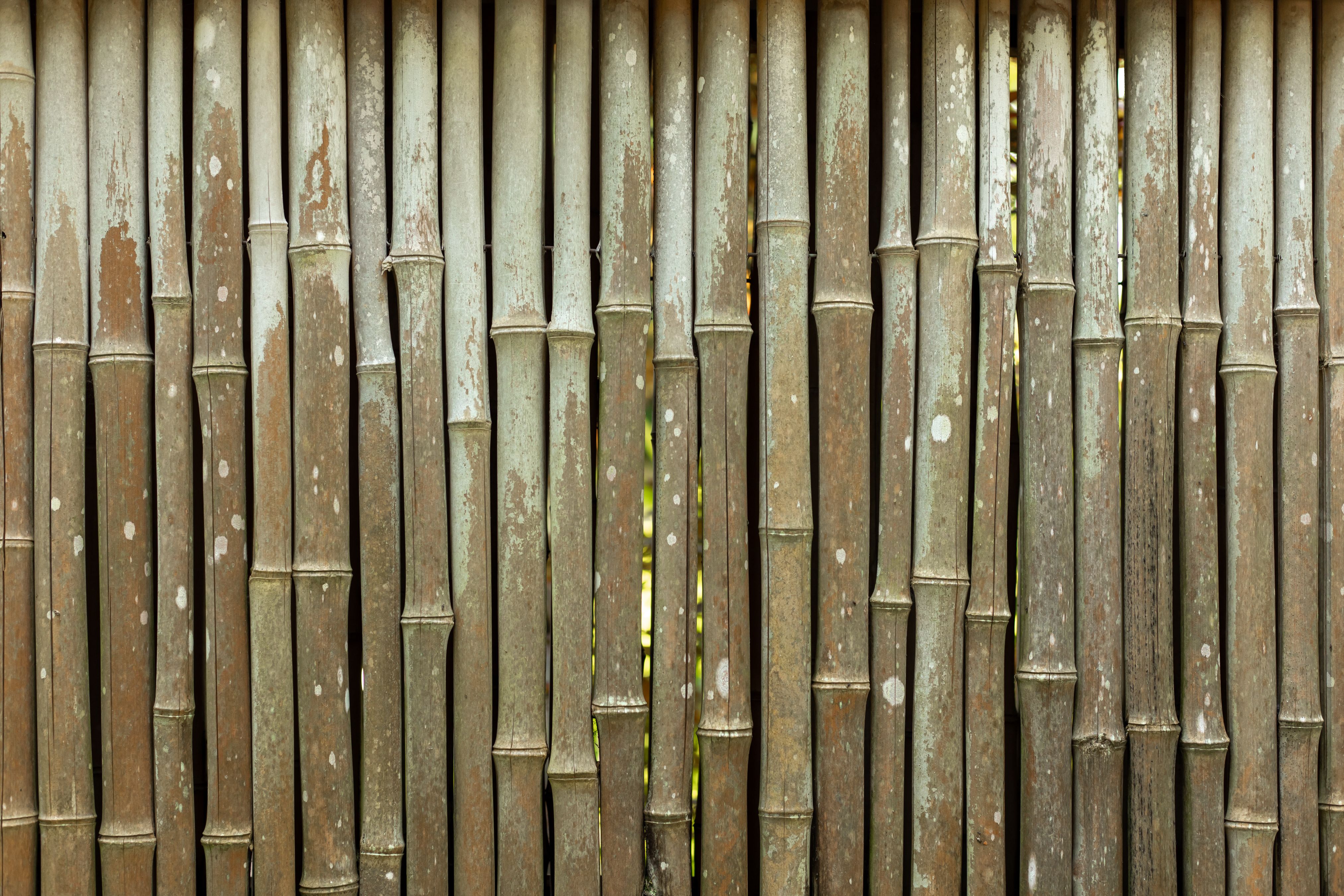
Bamboo can be a renewable option for fencing and other outdoor products, but the finished product matters more than the plant’s reputation. Ask how it is manufactured, what binders or finishes it contains, whether it is rated for exterior exposure, and how it should be maintained. Do not assume every bamboo product is suitable for a structural or constantly wet application.
Recycled composites: weigh longevity against the exit route
Composite boards commonly combine plastics and wood fibres; recycled-content versions can make use of recovered material and may reduce routine finishing compared with some wood products. But composition varies. Check the percentage and type of recycled content, the manufacturer’s maintenance guidance, and whether a take-back or recycling route exists locally. A product that lasts but cannot be separated or recovered at end of life still has a disposal question.
If you are comparing products for decking, look beyond the colour sample: compare installation requirements, expected care, warranties, and the maker’s documentation. Those details affect both the lifetime cost and how much material you may need to replace.
Stone and concrete: durable, but not impact-free
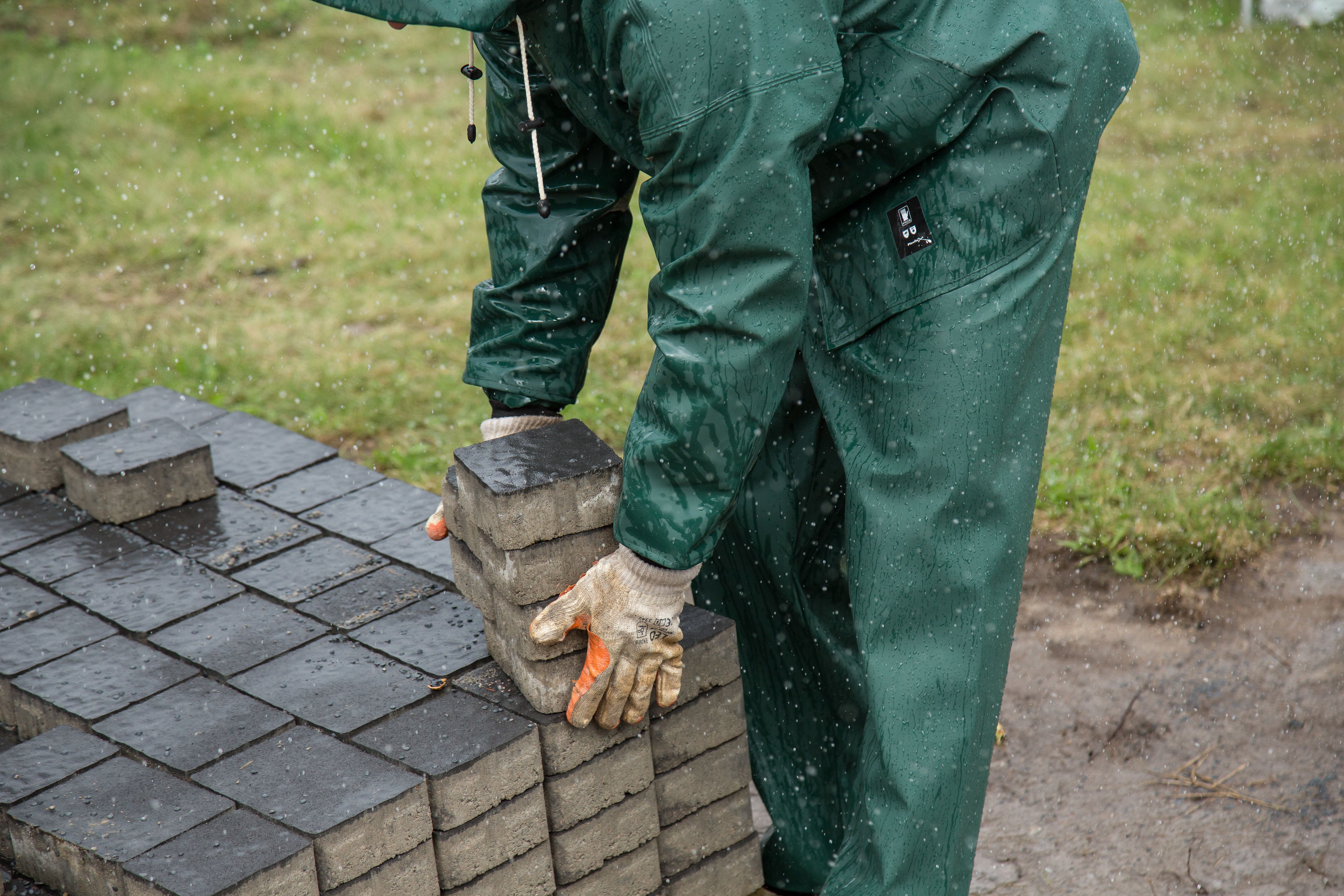
Stone can serve for a long time as paving, edging, or a low wall, and reclaimed pieces can avoid demand for newly extracted material. New stone and concrete still involve extraction, processing, and transport, so local availability and recycled or reclaimed content are worth checking. For paving, thoughtful layout and drainage can matter as much as the choice of stone: water should not be trapped against vulnerable structures.
Use this short checklist before you buy
- Can you reuse or repair first? The EPA recommends considering used and recycled products, salvaging materials, and reducing construction waste.
- Where did it come from? Look for specific sourcing and recycled-content information, not just broad claims such as “eco” or “natural.”
- Is it made for this exposure? Confirm suitability for sun, rain, ground contact, and expected loads.
- What care will it need? Include cleaning, sealing, refinishing, replacement parts, and the time required to maintain it.
- Can it be repaired or separated later? The EPA’s construction-material reuse guidance recommends durable materials and accessible mechanical fasteners, such as screws and bolts, to support future repair, disassembly, and reuse.
For example, when deciding between new paving and salvaged pavers, ask whether the reclaimed pieces are sound and available in enough quantity. If they are, their existing service life is an advantage; if they require extensive repair or long-distance transport, the comparison becomes less clear. Sustainability is a set of trade-offs, not a property printed on a product label.
The beginner’s rule worth keeping
I would prioritize reuse and durability before chasing novelty. Choose a product with clear sourcing information, match its rating to the site, and install it so water can drain and future repairs are possible. A material that lasts and can be recovered later will often be a more sensible choice than one marketed as “green” without evidence about its origin or service life.
How this guide was put together: This beginner overview draws on U.S. EPA guidance about construction-material reuse and design for disassembly, USDA Forest Products Laboratory guidance on outdoor wood, and USGBC life-cycle assessment principles. Specific product performance varies by formulation, climate, installation, and maintenance; check manufacturer documentation and local codes before building.