

Why do some products feel perfect while others drive people nuts? It’s not random chance. Behind the best apps and gadgets, teams made hundreds of tough calls users never knew about.
These backstage choices determine whether something becomes beloved or abandoned.
Saying No More Than Yes

Source: istockphoto.com
Successful product teams face an avalanche of ideas every week. Add this button. Include that feature. The products people love come from teams who turned down most of these “brilliant” suggestions.
It’s brutal. Killing features feels wrong. Most times, simplicity is superior to sophistication. Someone fought to keep things simple, even when engineers begged to show off their skills.
Choosing Who to Disappoint
Here’s an uncomfortable truth: great products pick favorites. They choose their tribe and ignore everyone else. Sounds mean, but it works. Think about it.
A skateboard shop doesn’t stock denture cream. A steakhouse doesn’t cater to vegans. Digital products work the same way. They just hide it better.
That meditation app people love? It deliberately frustrates users who want extreme customization.
The photo editor professionals swear by? It intentionally scares away casual users with its steep learning curve. These aren’t failures. They’re choices. The teams behind beloved products know exactly who they’re building for and who they’re willing to lose.
Invisible Architecture
Press a button. Music plays. Simple, right? That button press could represent six months of data structure debates among fifty engineers.
The technical plumbing underneath determines everything. Slow database? The app feels sluggish. Bad server setup? Crashes during peak times. Messy code? New features take forever to add.
These architectural decisions happen years before anyone downloads anything. They’re unsexy. They’re expensive.
Project managers hate them because they can’t show them to investors. But nail the foundation, and everything else becomes possible. Screw it up and teams build on quicksand.
The Money Conversation
Source: nextpit.com
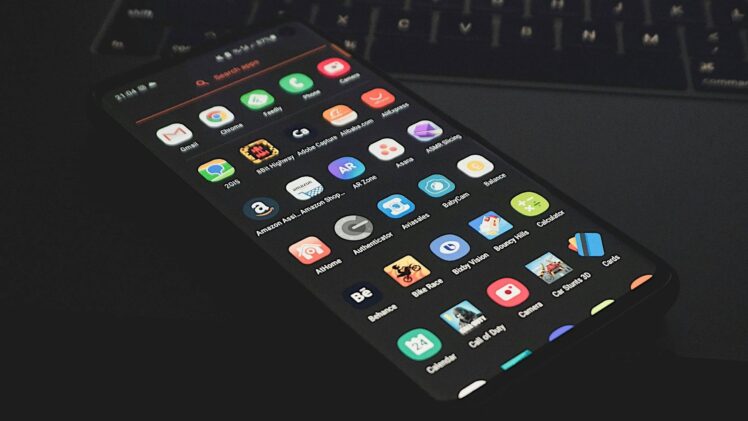
Free apps aren’t free. Someone’s paying. If it’s not the user, it’s advertisers buying eyeballs. Or venture capitalists betting on world domination.
This isn’t cynical; it’s physics. Servers cost money. Programmers need salaries. The money needs to come from somewhere. A successful product strategy starts with honest math about who pays what.
Companies like Goji Labs help teams figure this out early, before the payment model warps everything else about the product.
Because it will warp everything. Ad-supported apps need constant scrolling. Subscription apps need to prove their worth monthly.
Onetime purchases need to wow immediately, then cost nothing to maintain. Making the wrong choice can jeopardize the product as it struggles to cover expenses.
Learning From Failure Fast
Beloved products are graveyards of dead ideas. Features that tested horribly. Designs that made testers cry. Concepts that sounded genius at 2 AM but looked stupid in daylight.
Users never see these corpses because teams bury them quickly. They prototype, test with ten people, watch nine people get confused, then pretend that version never existed.
This isn’t failure; it’s editing. Like writers throwing away bad paragraphs, product teams constantly kill their darlings. The willingness to murder ideas before they embarrass anyone publicly separates amateurs from pros.
Conclusion

Source: glenelgorthopaedics.com.au
Next time someone uses something that just works, they should remember there’s nothing “just” about it. Somebody fought to remove that extra button, and somebody frustrated certain users to delight others.
Somebody argued about technical details users will never understand, and somebody figured out how to pay for it all without ruining the experience.
These hidden decisions stack up like compound interest. Each one seems small. Together they create the difference between products that spark joy and products that spark rage.
The best teams know this. They sweat the stuff users never see because that invisible foundation determines everything users experience.