

What Is Corporate Governance? Principles, Roles and Examples

Table of Contents
- What Corporate Governance Means
- Core Principles of Good Corporate Governance
- Who Plays a Role in Corporate Governance
- The Board of Directors and Its Responsibilities
- Shareholders and Their Rights
- Governance Beyond Listed Companies
- Practical Examples of Governance in Action
- Frequently Asked Questions
What Corporate Governance Means
Corporate governance refers to the rules, practices and procedures that guide, control and govern a company. According to the Legal Information Institute at Cornell Law School, it involves balancing the relationships, interests and responsibilities among a company’s management, board of directors, shareholders and other stakeholders.
In practice, governance answers a short set of questions: who makes decisions, how those decisions are checked, and who is accountable for the results. A company with clear answers to these questions is generally easier for investors, employees and regulators to understand.
Governance is not the same as management. Managers run daily operations, while governance sets the framework in which those operations take place. The two are closely linked, but they have different jobs.
Core Principles of Good Corporate Governance
Most modern governance frameworks rest on a handful of shared ideas: accountability, transparency, fairness to shareholders, and responsible oversight by the board. The G20/OECD Principles of Corporate Governance 2023 are the leading international benchmark on this topic. They are organized into six chapters:
- Ensuring the basis for an effective corporate governance framework
- The rights and equitable treatment of shareholders and key ownership functions
- Institutional investors, stock markets and other intermediaries
- Disclosure and transparency
- The responsibilities of the board
- Sustainability and resilience
The OECD describes these Principles as non-binding. They are intended to guide policy makers and market participants, and their application depends on each country’s legal and regulatory context. In other words, the Principles offer objectives and options rather than a single set of rules that every company must follow in the same way.
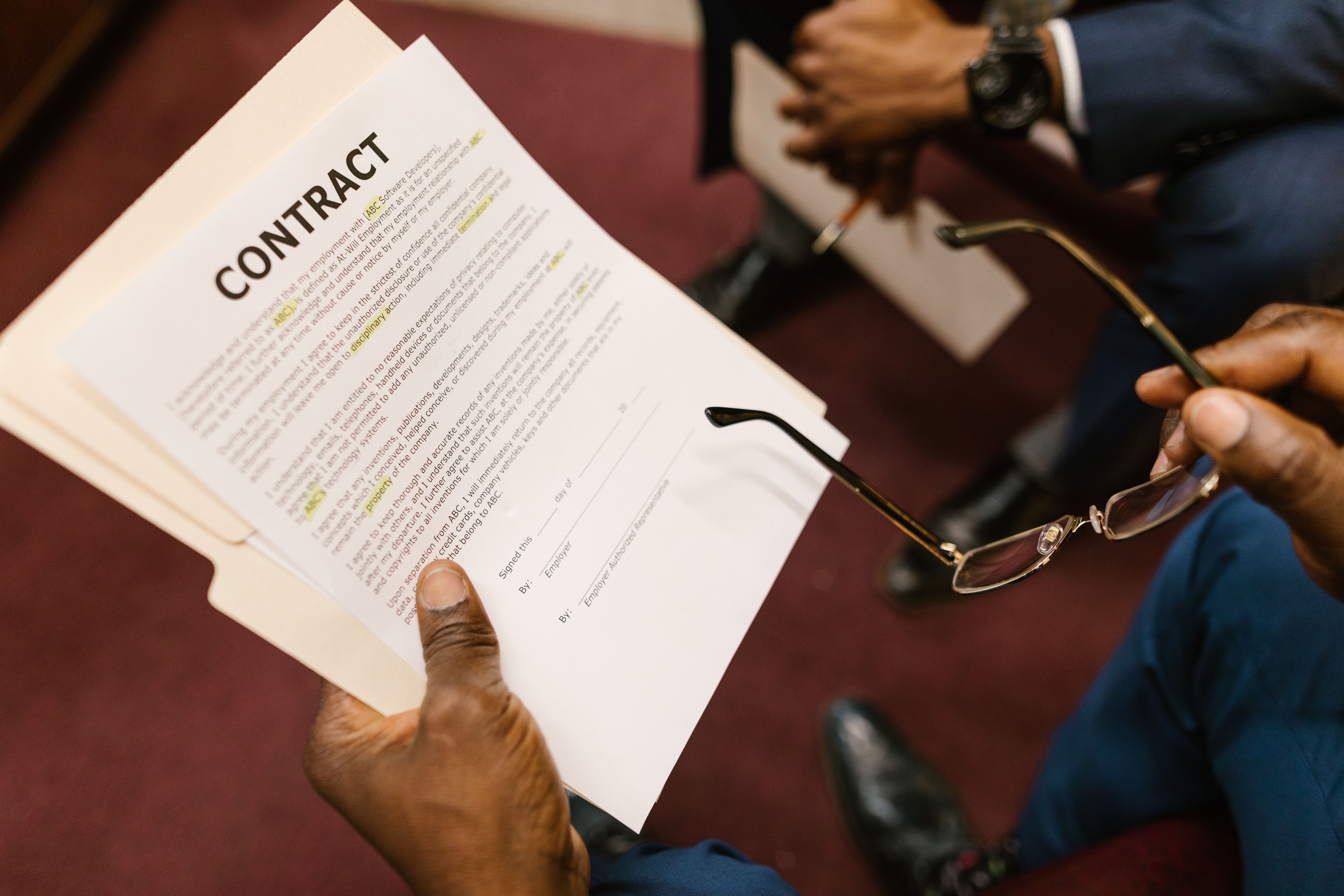
Transparency is one of the most practical principles. Clear disclosure of financial results, ownership structures and key decisions allows outside parties to judge how a company is run. Disclosure does not guarantee good decisions, but it makes them easier to evaluate.
Who Plays a Role in Corporate Governance
Governance involves several groups, each with different responsibilities. The table below summarizes the main parties in a typical publicly traded company. Exact duties vary by jurisdiction, company bylaws and listing rules.
Source basis: the responsibilities listed reflect general descriptions in the Cornell LII entry on corporate governance and the OECD Principles; specific duties depend on the company and jurisdiction.
The Board of Directors and Its Responsibilities
The board is generally considered the central body in corporate governance. Directors are elected by shareholders and charged with representing their interests, while also overseeing the company as a whole. Boards commonly form committees, such as audit, compensation and nominating committees, to handle specialized work.
The OECD lists several key functions that boards are expected to perform, including:
- Reviewing and guiding corporate strategy, major plans, annual budgets and performance objectives
- Reviewing and assessing risk management policies and procedures
- Selecting, overseeing and, when necessary, replacing key executives
- Aligning executive and board pay with the longer-term interests of the company and its shareholders
- Monitoring and managing potential conflicts of interest among management, board members and shareholders
- Ensuring the integrity of accounting and reporting systems, including independent external audit
Board composition also matters. Boards often include a mix of executives and independent directors, meaning people without close ties to the company’s management. Independent directors are frequently seen as helpful for objective judgment, although their effectiveness depends on the individuals and on how the board works together.

Shareholders and Their Rights
Shareholders own part of a company through its stock. Common shareholders typically have voting rights on certain company matters, including the election of directors, while preferred shareholders usually receive a fixed dividend and generally have no voting rights, according to OpenStax’s Principles of Finance. Shareholders also tend to monitor financial statements and approve significant decisions.
Shareholder rights are a central theme in governance frameworks because investors supply capital and rely on accurate information. Rules on voting procedures, disclosure and fair treatment help shareholders assess whether management and the board are acting in the company’s interests.

Governance Beyond Listed Companies
Governance questions are not limited to stock-market companies. Private firms, partnerships and nonprofit organizations also need decision-making rules, reporting lines and checks on authority. The OECD notes that its Principles focus on publicly traded companies, but may also be a useful reference for companies whose shares are not publicly traded, where deemed applicable.
Professional partnerships offer a useful example. Written partnership agreements, committees and reporting procedures help define how decisions are made and who is responsible for them. For a general overview of how these structures are discussed, see management practices in the legal profession.
Practical Examples of Governance in Action
The following illustrative scenario shows how governance works in a simplified form. It is a hypothetical example and does not describe any real company.
Imagine a mid-sized manufacturing company planning to build a new factory. The management team prepares the proposal and financial projections. The board reviews the plan, asks for a risk assessment covering costs and supply chains, and approves a budget with defined milestones. An independent audit committee checks the financial reporting. Shareholders receive disclosure about the investment in the company’s annual report and can vote on matters that require their approval.
Each step involves a different party, and each has a specific check. This is the basic logic of governance: decisions are proposed, reviewed, approved and reported on.
- Strategy review: the board evaluates whether the project fits long-term goals.
- Risk oversight: directors review how the company identifies and manages financial and operational risks.
- Financial reporting: audit procedures support the accuracy of the figures shareholders rely on.
- Disclosure: the company communicates material decisions to investors.
Frequently Asked Questions
What is corporate governance in simple terms?
Corporate governance is the set of rules, practices and processes that determine how a company is directed and controlled. It clarifies who makes decisions, how they are monitored, and who is accountable for the outcome.
What are the main principles of corporate governance?
Common principles include accountability, transparency, fair treatment of shareholders and effective board oversight. The G20/OECD Principles group these into six chapters covering the governance framework, shareholder rights, intermediaries, disclosure, board responsibilities and sustainability.
What is the difference between governance and management?
Management runs the day-to-day operations of a company. Governance sets the framework of oversight, accountability and strategic direction within which management works.
Do private companies need corporate governance?
Governance matters for private companies as well, although the formal requirements are often lighter. Clear decision-making rules and reporting procedures can help any organization with multiple owners or stakeholders.
Are the OECD Principles legally binding?
No. The OECD describes the Principles as non-binding. They are guidance for policy makers and market participants, and how they apply depends on national law and regulation.
Closing Thoughts
Corporate governance is less about any single document than about a working habit: knowing who decides, who checks those decisions, and who answers for the outcome. Companies that build these answers into their structures tend to be easier to trust, to audit and to explain to the people who depend on them.