

How To Build A Better Typing Workflow With Keyboard Customization
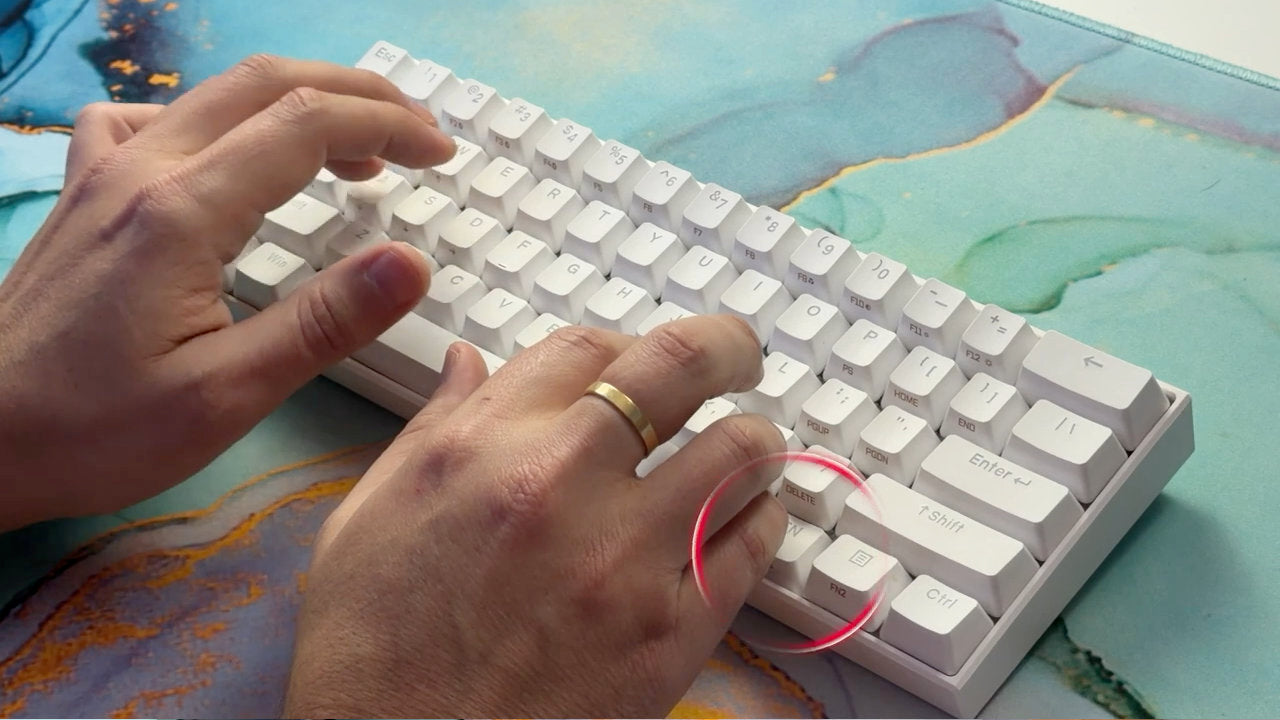
Have you ever noticed how much time your hands spend on a keyboard every single day? Research from the University of Cambridge suggests that office professionals type more than 7,000 keystrokes per hour on average during active work sessions. Small inefficiencies repeated thousands of times quickly turn into lost time and mental fatigue.
Improving a typing workflow with keyboard customization is one of the most practical productivity upgrades people often overlook. A few thoughtful changes can reduce repetitive strain, speed up writing tasks, and create a more comfortable rhythm for daily work. The goal is not to type faster at all costs. The goal is to make typing smoother, more intuitive, and easier to sustain over long periods.
This guide explains how keyboard customization improves efficiency and how anyone can build a typing workflow that feels natural and productive.
Choose the right input method and typing tools
Source: mikeshouts.com
Before adjusting shortcuts or macros, it helps to choose an input method that matches your typing style and language needs. The right software can transform how quickly text appears on the screen.
For multilingual users or those who frequently type Chinese characters, many professionals rely on specialized input tools. One widely known option is 搜狗输入法官网, which provides predictive typing, intelligent phrase suggestions, and customizable dictionaries. These features reduce the number of keystrokes needed to produce complex characters or phrases.
The key advantage of advanced input tools lies in predictive typing. Instead of typing each character fully, the system anticipates likely words based on context and past usage.
Modern input systems often rely on machine learning models trained on large language datasets. These models analyze patterns in previous typing behavior and suggest the most probable next characters.
This type of assistance turns typing into a collaborative process between the user and the software.
Customize keyboard shortcuts for common actions
Source: windowscentral.com
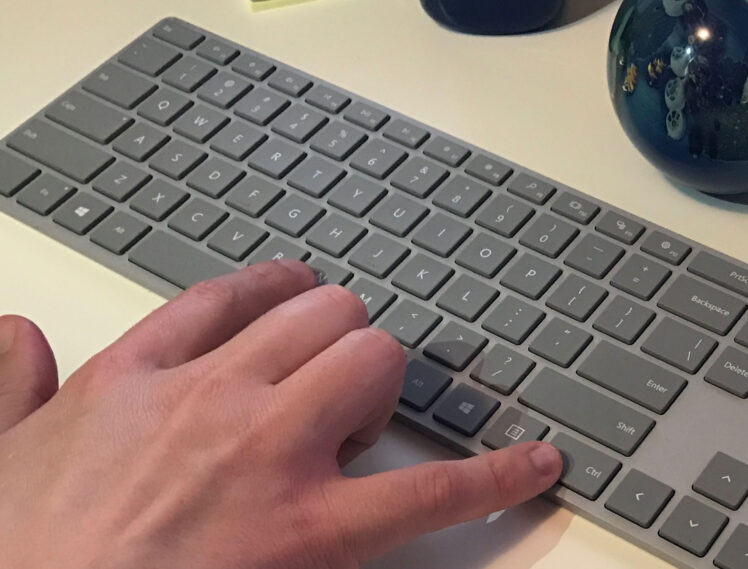
Keyboard shortcuts represent one of the most effective ways to improve typing workflow. Most software already includes many shortcuts, but creating personal ones often produces the biggest gains.
Instead of reaching for the mouse repeatedly, shortcuts keep hands positioned on the keyboard where typing remains fastest.
Some useful shortcut categories include:
- Text editing commands such as duplicate line, delete word, or move cursor to paragraph start.
- Formatting shortcuts used frequently in writing tools or code editors.
- Clipboard actions for copying templates, links, or frequently reused text blocks.
- Window navigation commands for switching between documents or applications.
A good rule is simple. If you perform an action more than twenty times a day, it deserves a shortcut.
When implemented carefully, shortcuts build muscle memory. After a few days of use, the commands become automatic, reducing cognitive load during writing tasks.
Create text expansion shortcuts for repeated phrases
One of the most underrated typing workflow improvements comes from text expansion. Text expansion replaces short abbreviations with full phrases automatically.
For example, typing a small trigger like “addr” might expand into a full address block. Writers, customer support teams, and programmers rely heavily on this technique.
Below is a simple example of how text expansion saves effort:
| Shortcut | Expands Into | Use Case |
|---|---|---|
| sig1 | Full email signature | Email communication |
| addr | Complete mailing address | Forms or invoices |
| tyvm | Thank you very much for your message | Customer responses |
The benefit becomes clear when working with repetitive communication.
Instead of typing the same sentences repeatedly, the keyboard performs the expansion instantly. The result is a faster typing workflow that also reduces errors.
After a week of consistent use, many users notice that text expansion saves several minutes each day.
Adjust keyboard layout for comfort and efficiency
Typing workflow improvements are not limited to software. Physical keyboard layout also affects productivity.
Traditional QWERTY layouts were originally designed to prevent mechanical typewriter jams rather than maximize efficiency. While most people remain comfortable with QWERTY, small layout adjustments can still make typing easier.
Some users choose alternative layouts such as Colemak or Dvorak. These layouts reposition frequently used letters closer to the home row to minimize finger travel.
For those who prefer staying with QWERTY, smaller ergonomic changes still help:
- Remapping rarely used keys to frequently needed commands.
- Adjusting keyboard tilt and height for neutral wrist positioning.
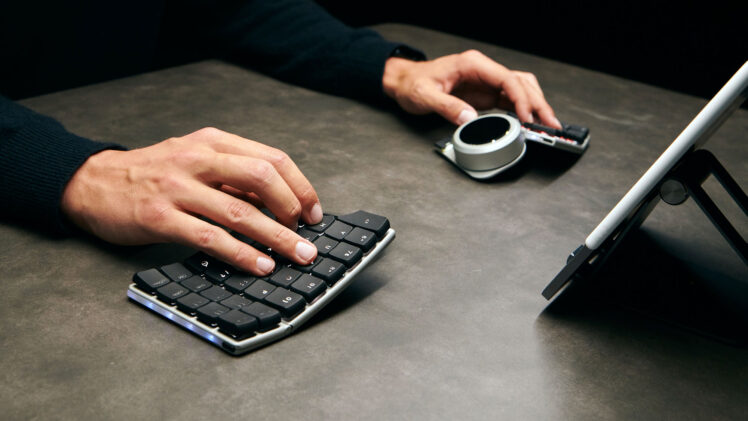
- Using split keyboards that allow a more natural hand position.
- Reducing finger stretching by relocating modifiers like Control or Alt.
A comfortable typing posture reduces fatigue and supports longer focused work sessions.
Use automation and macros for repetitive tasks
Source: dareu.com
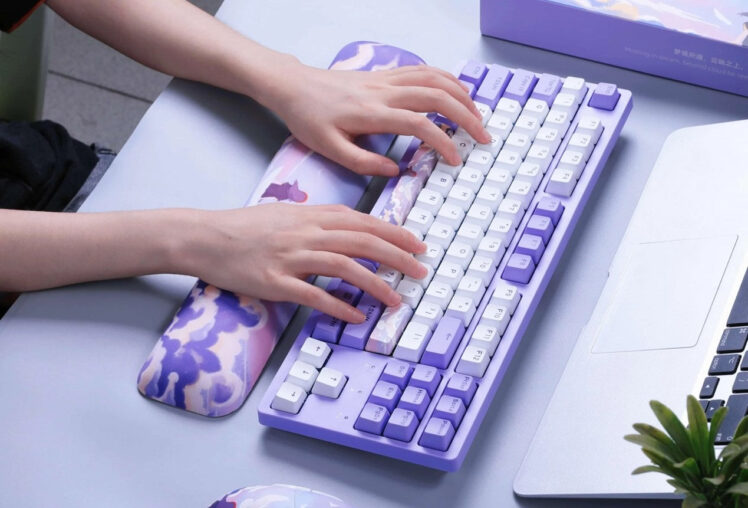
Automation tools push keyboard customization even further. Instead of single shortcuts, macros perform entire sequences of actions automatically.
For example, a macro can insert a formatted document template, open a browser tab, and paste prepared content with one key combination.
These automation workflows are especially helpful for professionals who repeat structured processes daily.
Common macro applications include:
- Creating document templates for reports or articles.
- Launching multiple productivity apps with one shortcut.
- Running formatting commands across entire documents.
- Inserting code snippets or structured data blocks.
Automation should simplify work rather than complicate it. Start with small macros that solve obvious repetitive tasks before expanding into more advanced workflows.
Macros often deliver the biggest productivity improvements because they remove entire steps from a process rather than simply accelerating them.
Build habits that reinforce your customized workflow
Keyboard customization only works when it becomes part of daily habits. Without regular use, shortcuts and macros fade from memory and the workflow returns to old patterns.
Consistency is the key factor.
A practical approach involves gradually introducing one or two new keyboard improvements each week. This pace allows the brain to build muscle memory without overwhelming the user.
Some simple habits help reinforce the system:
- Place a small reference list of new shortcuts near the monitor during the first week.
- Force yourself to use shortcuts instead of the mouse even if it feels slower initially.
- Review typing patterns weekly and identify actions worth automating.
- Refine the system regularly as tasks evolve.
Over time the keyboard becomes more than a typing device. It becomes a personalized control center for writing, editing, and digital work.
Final thoughts
Typing remains one of the most fundamental digital skills in modern work. Small inefficiencies repeated thousands of times each day quietly drain productivity and energy.
Keyboard customization offers a practical way to fix that problem. Input tools, shortcuts, layout adjustments, and automation together form a system that supports faster and smoother typing.
The process does not require advanced technical knowledge. A few thoughtful changes applied gradually can transform the entire typing workflow.
The best customized workflow often feels almost invisible. Hands move naturally, commands appear automatically, and ideas flow directly into text without interruption. When that happens, the keyboard stops feeling like a tool and starts feeling like an extension of the mind.